
In the beauty industry, packaging is often the very first physical interaction a customer has with your brand. A luxurious formula can quickly lose its appeal if the packaging leaks, cracks, dispenses poorly, or feels inconsistent. Today’s consumers expect packaging that not only looks beautiful, but also performs flawlessly from the first use to the last drop.
At APC Packaging, we’ve spent nearly 20 years partnering with beauty brands ranging from startups and indie labels to globally recognized prestige companies. Over the years, we’ve seen how small packaging issues can significantly impact customer perception, reviews, repeat purchases, and long-term brand loyalty.
Here are some of the most common beauty packaging mistakes that can negatively affect the consumer experience, and how brands can avoid them.
1. Leaking Pumps and Closures
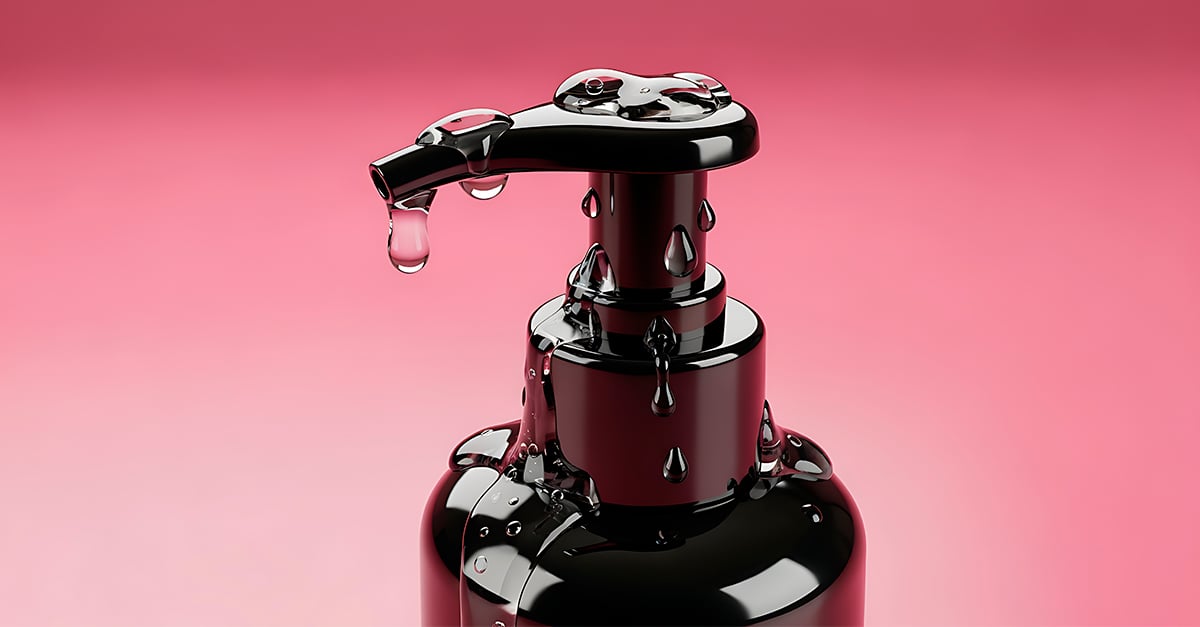
Few things damage customer confidence faster than a leaking product. Whether it happens during shipping, travel, or daily use, leakage immediately creates frustration and can make even a premium product feel unreliable. Just recently, we met a prospect at the LuxePack in NY show that was having issues with their bulk getting stuck in their lotion pump. They had to ask their clients to continually pump and clean out the dip tube with water just to use their product. They needed help and came to APC Packaging to find alternatives. Not only did they need a new pump engine, but they also needed a larger dip tube to accommodate their thick formulation.
Common causes include:
- Improper component compatibility
- Weak sealing systems
- Poorly engineered pumps or closures
- Inconsistent manufacturing tolerances
- Formula incompatibility with packaging materials
Leakage doesn’t just create a messy experience, it can also lead to:
- Product waste
- Negative reviews
- Retail return issues
- Damaged secondary packaging
- Loss of trust in the brand
For skincare and serum applications especially, consumers expect secure, controlled dispensing with every use.
How to avoid it:
Brands should thoroughly test packaging with the actual formula under real-world conditions, including:
- Shipping simulations
- Temperature testing
- Long-term storage testing
- Travel and drop testing
Working with an experienced packaging partner can help identify potential compatibility or sealing issues early in development.
2. Poor Dispensing Performance
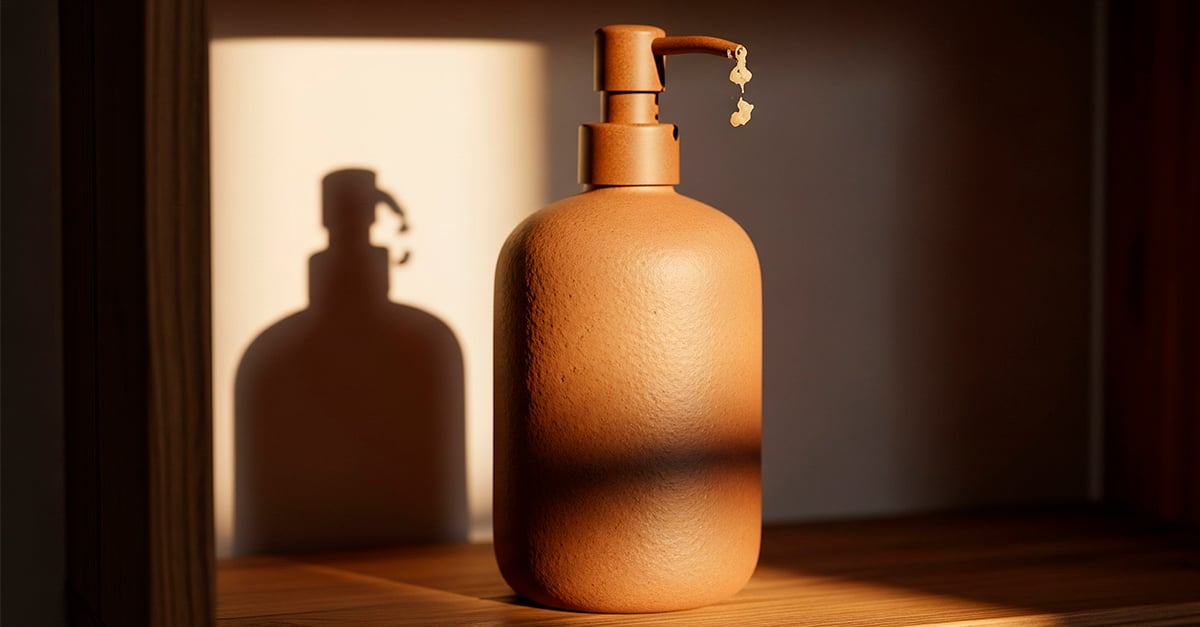
A package may look visually stunning, but if it dispenses inconsistently, clogs, sputters, or leaves behind excessive product, the customer experience suffers.
Today’s beauty consumers expect:
- Smooth actuation
- Controlled dosage
- Clean dispensing
- Near-complete product evacuation
This is especially important for:
- Serums
- Creams
- Foundations
- Treatments
- Premium skincare products
Poor dispensing can make products feel wasteful or difficult to use, even if the formula itself performs exceptionally well.
How to avoid it:
Brands should evaluate:
- Pump output
- Formula viscosity compatibility
- Airless functionality
- Dip tube performance
- Consumer ergonomics
Airless systems have become increasingly popular because they help improve formula protection while maximizing product evacuation and enhancing the overall luxury experience.
3. Refillable Packaging That Feels Complicated
Consumers are increasingly embracing sustainable packaging, but refill systems must remain intuitive and convenient. If the refill process feels confusing, difficult, or messy, customers may abandon the system altogether.
Some common refill challenges include:
- Difficult cartridge removal
- Unclear instructions
- Poor alignment during replacement
- Components that feel flimsy or unstable
- Refills that compromise aesthetics
Sustainability should enhance the user experience, not complicate it.
How to avoid it:
Successful refill systems prioritize:
- Simplicity
- Clean transitions between refills
- Durable engineering
- Premium aesthetics
- Consumer-friendly usability
The best refillable packaging solutions balance environmental responsibility with the elevated experience consumers expect from prestige beauty brands.
4. Decoration Durability Problems
Beautiful decoration can instantly elevate shelf presence, but durability matters just as much as appearance. Scratching, peeling, fading, or flaking decoration can quickly make a product feel low quality.
Beauty packaging is exposed to:
- Oils
- Moisture
- Frequent handling
- Bathroom environments
- Travel conditions
If decoration deteriorates too quickly, the brand experience deteriorates with it.
Common issues include:
- Weak adhesion
- Incompatible decoration techniques
- Improper curing
- Poor surface preparation
- Decoration not suited for the material
How to avoid it:
Brands should test decoration durability throughout development using:
- Rub testing
- Chemical resistance testing
- Adhesion testing
- Environmental exposure testing
Choosing the right combination of materials, finishes, and decoration methods is critical to maintaining a premium appearance throughout the product lifecycle.
5. Overpackaging
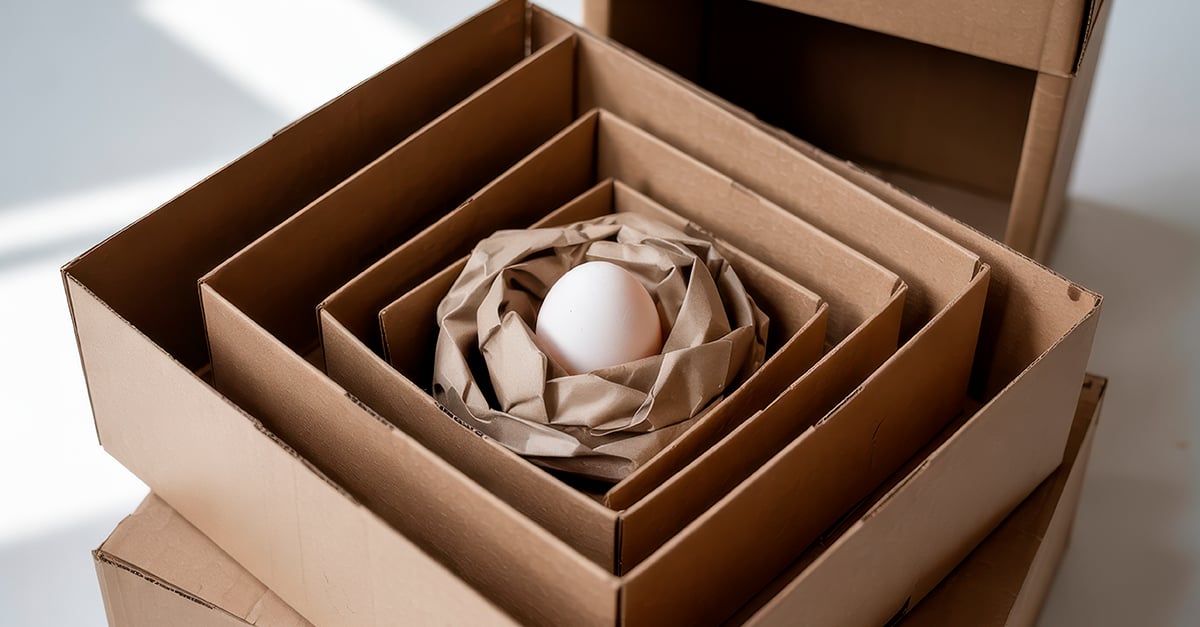
Today’s consumers are becoming increasingly aware of packaging waste. Excessive layers, oversized components, and unnecessary secondary packaging can negatively affect brand perception, especially among environmentally conscious shoppers.
Overpackaging can also:
- Increase freight costs
- Raise production expenses
- Reduce sustainability performance
- Complicate recycling efforts
Luxury no longer has to mean excess.
Modern beauty consumers are increasingly drawn to packaging that feels:
- Intentional
- Functional
- Elegant
- Sustainable
How to avoid it:
Brands should evaluate:
- Material efficiency
- Lightweighting opportunities
- Recyclability
- Mono-material options
- Refillable formats
- Functional versus decorative excess
Smart engineering can often reduce packaging complexity without sacrificing shelf impact or user experience.
6. Inconsistent Component Quality
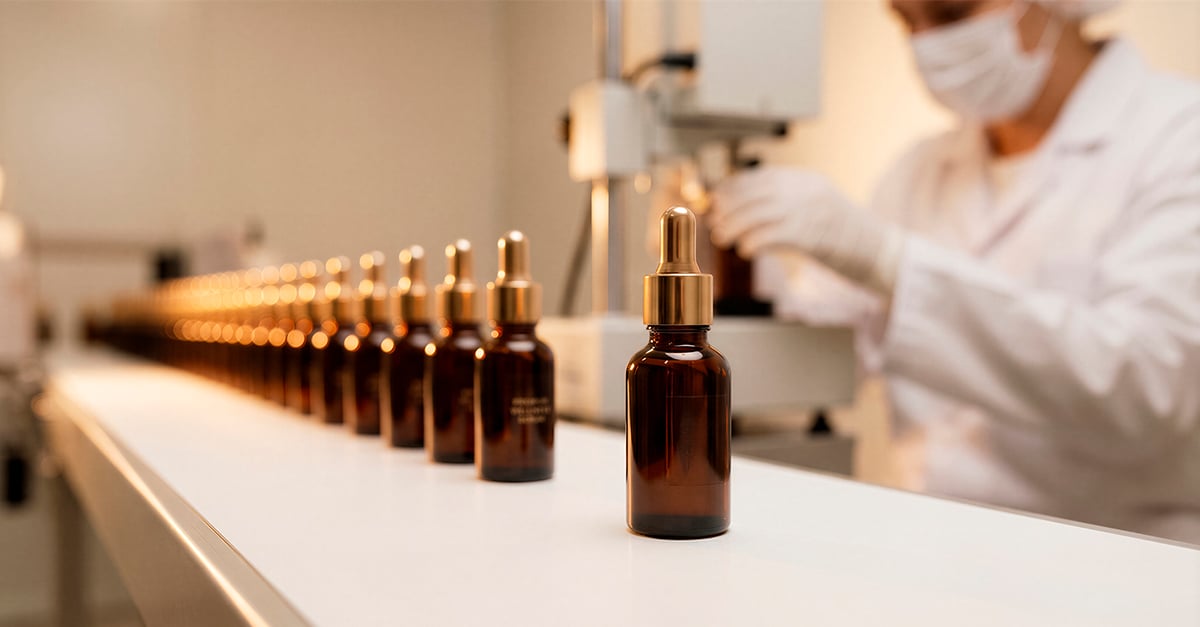
Consistency is one of the most overlooked aspects of packaging performance. Even small variations between production runs can affect the consumer experience and damage brand credibility.
Inconsistencies may include:
- Color variation
- Uneven pump performance
- Misaligned decoration
- Different tactile feel
- Closure fit issues
Consumers notice these details, particularly in prestige beauty.
How to avoid it:
Strong quality control processes are essential throughout production, including:
- Tight manufacturing tolerances
- Batch consistency testing
- Decoration inspections
- Functional testing
- Supply chain oversight
A reliable packaging partner should prioritize consistency just as much as innovation and aesthetics.
Packaging Is Part of the Product Experience
Beauty packaging does far more than simply contain a formula. It shapes how consumers perceive quality, luxury, innovation, and brand credibility.
When packaging performs beautifully, it reinforces trust and elevates the entire customer experience. But when functionality is overlooked, even minor issues can create friction that impacts loyalty and repeat purchases.
At APC Packaging, we believe the best packaging solutions combine:
- Performance
- Sustainability
- Functionality
- Design
- Consumer usability
As APC Packaging celebrates 20 years of partnering with beauty brands in 2026, we remain committed to helping brands create innovative, high-performing packaging solutions that support both commercial success and long-term customer satisfaction.
Contact APC Packaging today to schedule a technical consultation with our engineering and marketing experts. Let’s build your next breakthrough together.